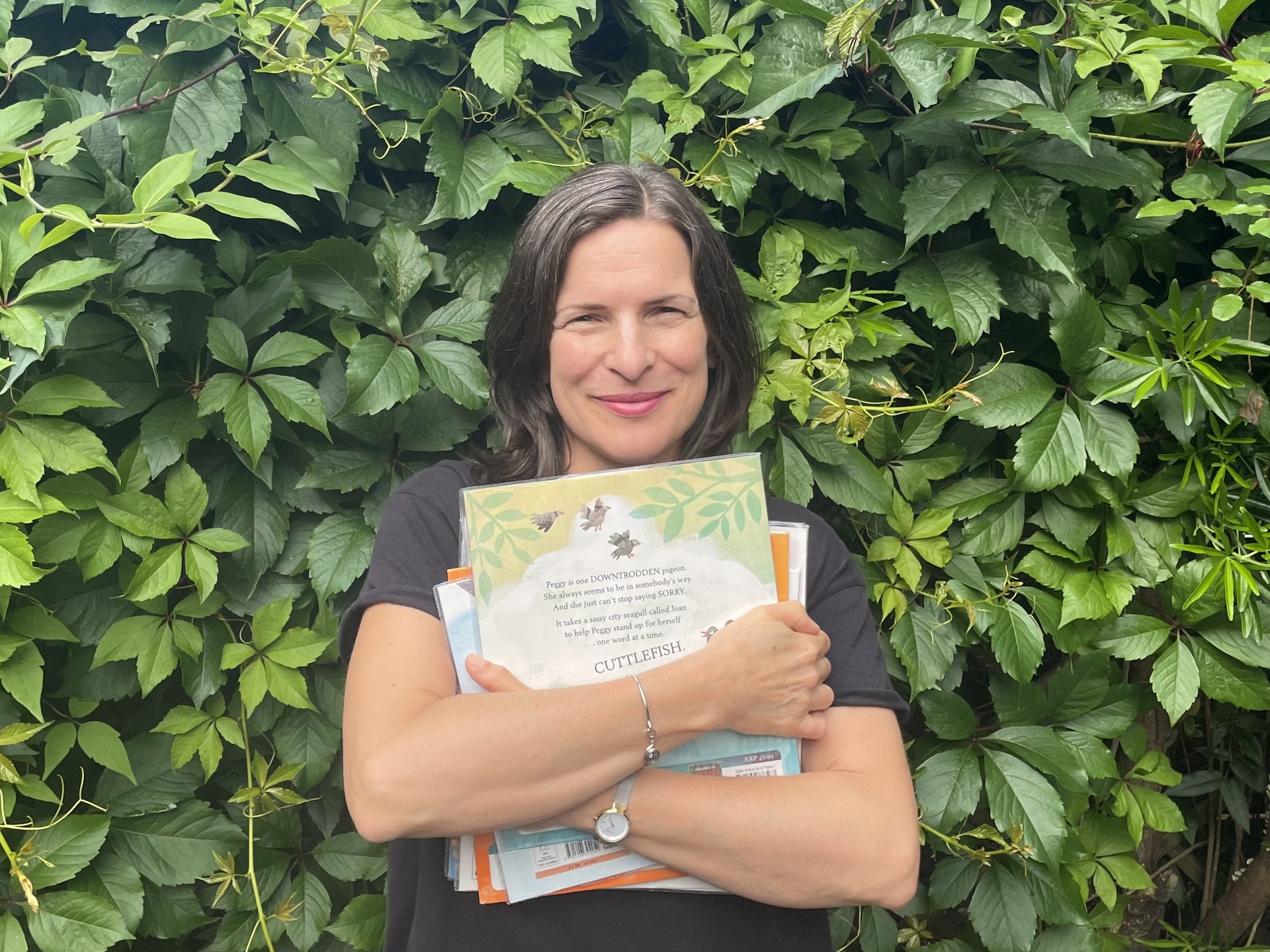

I am now a Reader Leader!
Just before Lockdown, I completed a 3 day Read to Lead course for volunteers in Herefordshire, run by The Reader organisation. The training equipped us to prepare and bring a story, poem (or both) to read aloud in a Shared Reading session.
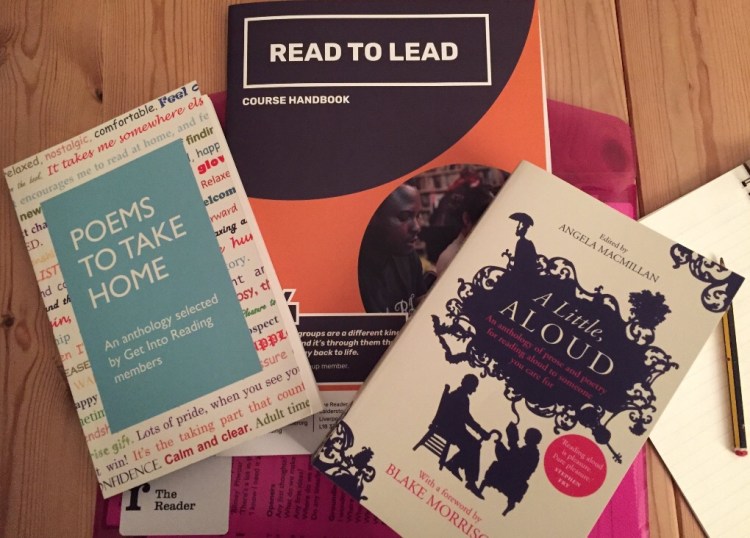
The skill of the Reader Leader lies in creating a space where the group members are invited to think freely, and in gently encouraging conversation to flow. This allows the group to explore their collective human experience as they bring meaning to the words in front of them. The ‘golden thread of literature’ is central to the Shared Reading experience and Reader Leaders commit themselves to the focus of the group remaining hinged to the chosen passage or poem.
Shared Reading sessions are designed to be relaxed and welcoming. There are no right answers when it comes to interpreting the text. There’s no teaching and the task of the Reader Leader isn’t to impart knowledge. There’s no pressure on anyone to read aloud or share their thoughts, unless they feel comfortable to do so.
Since Lockdown, I have continued my training and added to my experience of Shared Reading. In a recent Reader Leader workshop, Seamus Heaney’s ‘Scaffolding’ was read aloud…
Scaffolding
by Seamus Heaney
Masons, when they start upon a building,
Are careful to test out the scaffolding;
.
Make sure that planks won’t slip at busy points,
Secure all ladders, tighten bolted joints.
.
And yet all this comes down when the job’s done
Showing off walls of sure and solid stone.
.
So if, my dear, there sometimes seem to be
Old bridges breaking between you and me
.
Never fear. We may let the scaffolds fall
Confident that we have built our wall.
https://poets.org/poem/scaffolding
Scaffolding in Teaching
I hadn’t come across the poem before the Zoom session, but the title immediately triggered my memories of teaching, particularly my experiences of supporting children in learning to read and write. Most of all, it spoke to me of relationships – with the children I have taught, with my own children, with my husband, with faraway family and friends… Yet, my thoughts kept coming back to teaching and the scaffolding teachers provide, and gradually remove, in the process of learning.
The teacher-child relationship remains integral to the whole practice of scaffolding. Many teachers and children will move on at the end of the 2019/2020 school year without being able to share proper goodbyes and end of term celebrations. I love the comfort and reassurance offered by these words:
Never fear. We may let the scaffolds fall
Confident that we have built our wall.
Reading Recovery
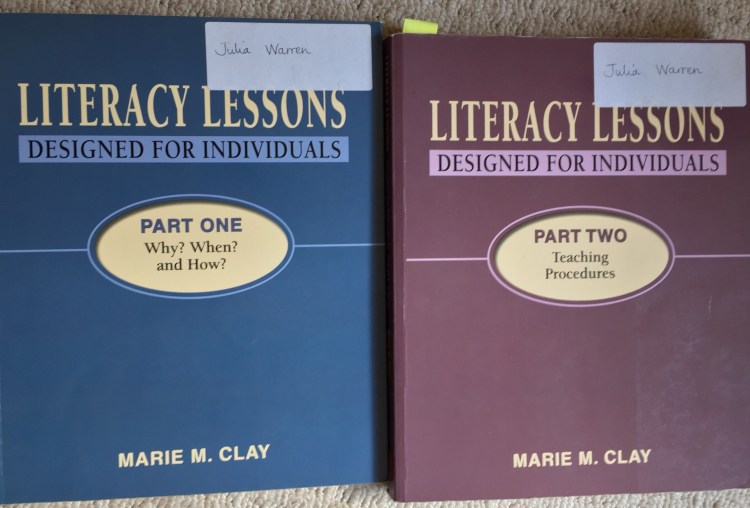
During Lockdown, I’ve been returning to my Initial Teacher Training text books from 1988-1992. Ten years ago, I trained as a Reading Recovery teacher and Marie Clay’s ‘Literacy Lessons Designed for Individuals’ have been well worth re-reading. During my Every Child A Reader training, I learned a lot about the practice of ‘scaffolding’ through our weekly training sessions. The ‘wall’ we were seeking to build was ‘the sure and solid stone’ core of independence. As teachers, everything we said and did aimed to shore up reading and writing behaviours which would enable each child to grow in their independence as a reader and writer.
Some visitors to my blog may be put off by the mention of Reading Recovery. The intervention programme has received a lot of bad press over the years. The funding for Reading Recovery in Herefordshire only lasted for 2 years, at which point I returned to class teaching – before starting up my own business as a literacy intervention teacher in 2013. The Reading Recovery programme was expensive and, unfortunately, the evidence of impact didn’t live up to the confident claims of success. Much of Marie Clay’s methodology, however, is grounded and thorough in its approach to the teaching of early literacy.
Marie Clay emphasises the importance of the teacher thoughtfully responding to careful observation of the child’s approach to reading and writing tasks,
The teacher must be reflective and responsive to the negotiations of the child.
p11 ‘Literacy Lessons Designed for Individuals: Part One’ Marie M Clay
She defines reading and writing as problem-solving processes, whilst warning of the danger of interrupting these with too much teacher talk. Lessons are taught in a one-to-one setting and tailored to the needs of the individual child, where the child’s strengths are used to address areas of weakness. Teachers are encouraged to be ‘tentative, flexible and immediately responsive…’. Clay’s methodology advocates the use of swift, specific praise and prompts to scaffold the child’s attempts.
Click here for short video clips which demonstrate useful prompts for early readers.
And finally…
I’d like to finish with a film of Seamus Heaney introducing and reading his poem, ‘Scaffolding’. I found what he had to say heart-warming and life-affirming:
 Read with Julia