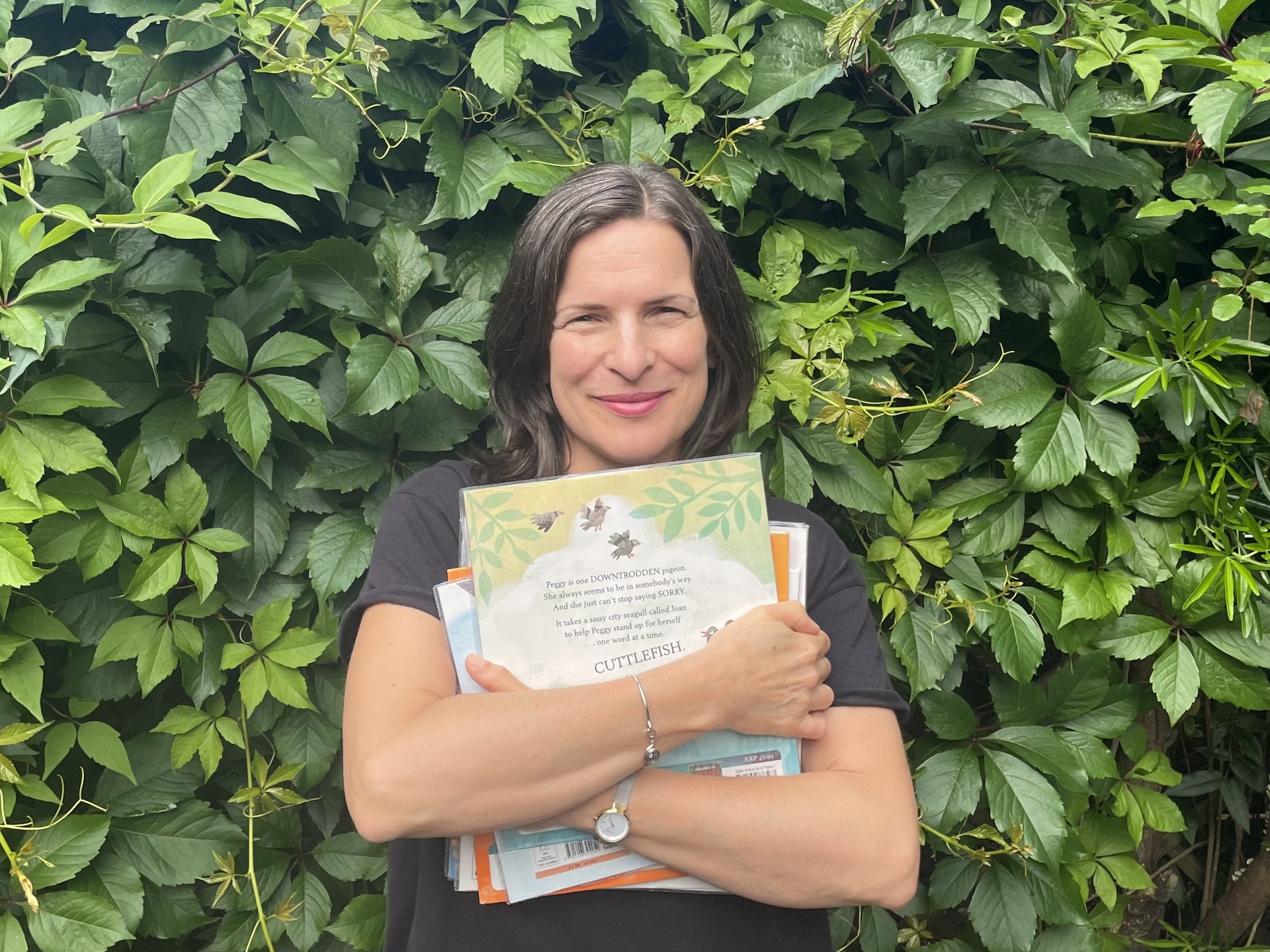
At the end of January, 10 days of self-isolation with a mild dose of Covid gave me an opportunity to stop and take stock. 2 books and 1 webinar got me thinking.
It’s now the end of April, and I have enjoyed the time and space of a fortnight’s break from school. I have properly switched off from the relentless demands of an over-stretched education system, within which I teach a reception class of 30 children full-time.
I think I’m now ready to share my thoughts, which were sparked and fuelled by those 2 books and that 1 webinar…
I’m going to kick off with Susan Cain’s book. As a self-diagnosed introvert, the title appealed to me:
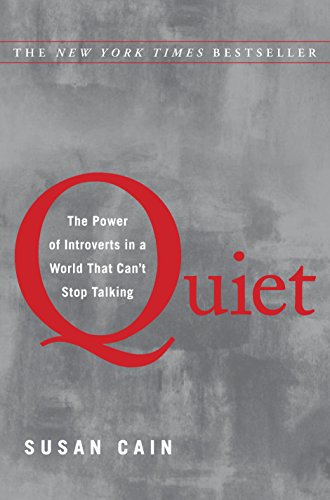
Out of the whole book, this thought resonated with me the most:
‘…we put too much of a premium on presenting and not enough on substance and critical thinking.’
‘Quiet: The Power of Introverts in a World That Can’t Stop Talking’ by Susan Cain
I’m 51. I started my 4 year teacher training degree in 1988. Susan Cain’s statement rings true to the years I’ve spent working in schools. Too often, I have heard the voices of extroverts with big personalities and commanding presence drown out the wisdom and profound insights of my quietly thoughtful colleagues.
I can’t help wondering if Professor Alison Clark would fit into the latter category. I was intrigued by the title of her webinar, in which she shares her research:
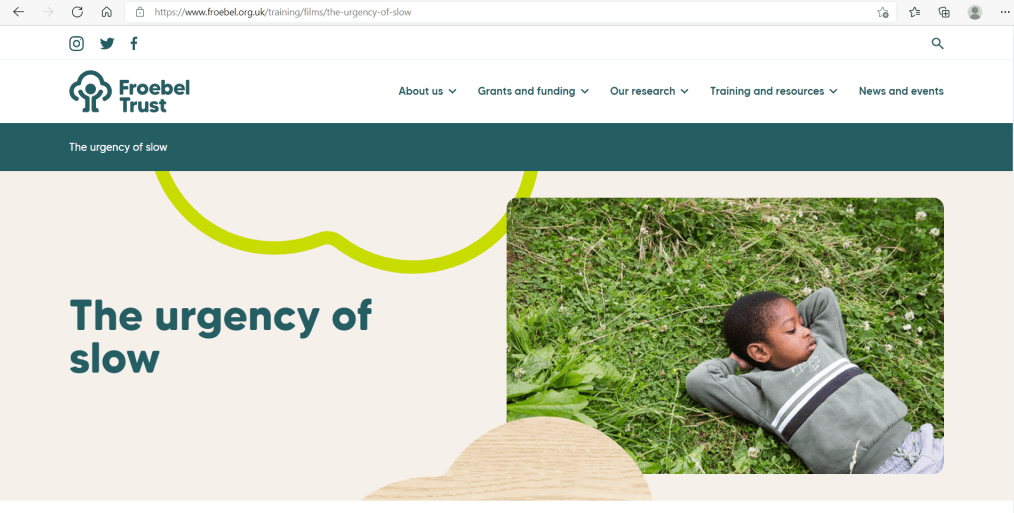
Her insights struck a chord with me:
‘Slow is often counter-cultural in education, in an increasingly time-pressured, measurement focused system.’
Professor Alison Clark
How true!
On Monday, I will begin the final term of this academic year, during which I will be required to assess each of the thirty 4-5 year olds in my class against 17 Early Learning Goals. I will then be required to report the results back to parents. Our timetable is rammed with ‘interventions’ and we are bombarded by an incessant ‘catch-up’ agenda. Perhaps, these are some of the reasons why I love the concept of a slow pedagogy.
‘A slow pedagogy makes time for listening and collaboration; celebrating the group as well as the individual, valuing the present moment; cultivating a culture of thinking and working together over time…’
Professor Alison Clark
What’s not to love about that?
When I was working as a peripatetic Primary Modern Foreign Languages teacher in 2006, a lesson observation gave me feedback that my teaching ‘lacked pace’. The following definition of slow pedagogies blows any such criticism out of the water:
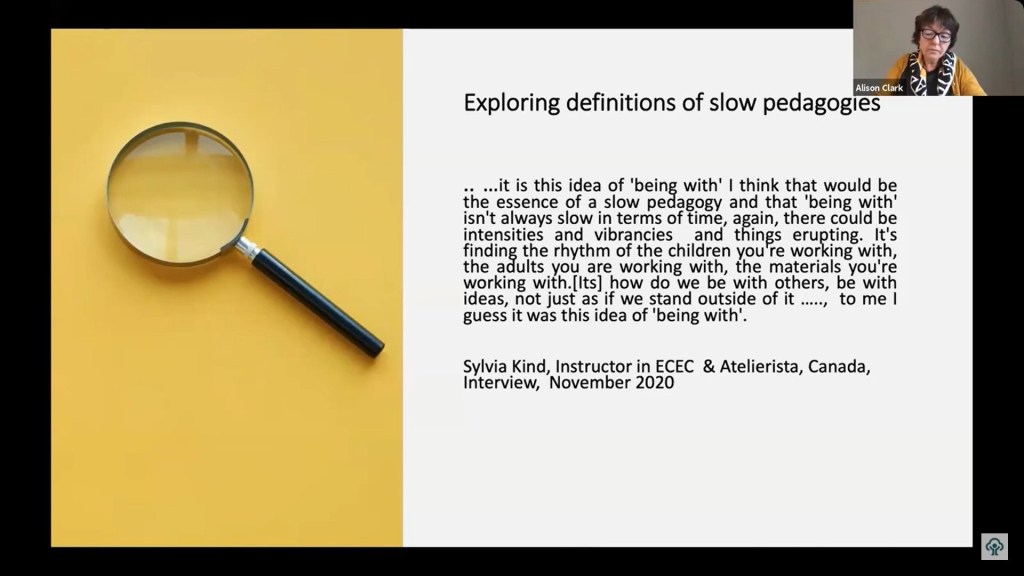
I desperately want to embrace ‘the urgency of slow’ in my final term with my reception class. How can I make time to find and teach to the rhythms of the 30 children in my class? How can I resist the pressure to enforce a hurried, one-size-fits-all measure on our remaining days together? Big questions. No easy answers.
I need to keep developing my skills at tuning into the needs of the child. I need to be thoughtful and wise in my observations and interactions. I need to be mindful that just because there are areas where I can’t capture evidence of progress yet, doesn’t mean the cogs aren’t silently and efficiently whirring away.
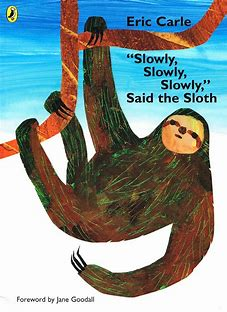
Don’t you think Eric Carle’s ‘”Slowly, Slowly, Slowly,” Said the Sloth’ is just a perfect picture of the process – and a strong argument to pursue Professor Alison Clark’s ‘Urgency of Slow’?
I do.
A song to finish:
 Read with Julia
One thought on “3, 2, 1, SLOW! (Why all the rush?)”