(A series of 6 short posts, where I think out loud about where I’ve been, where I am, and where I want to be.)
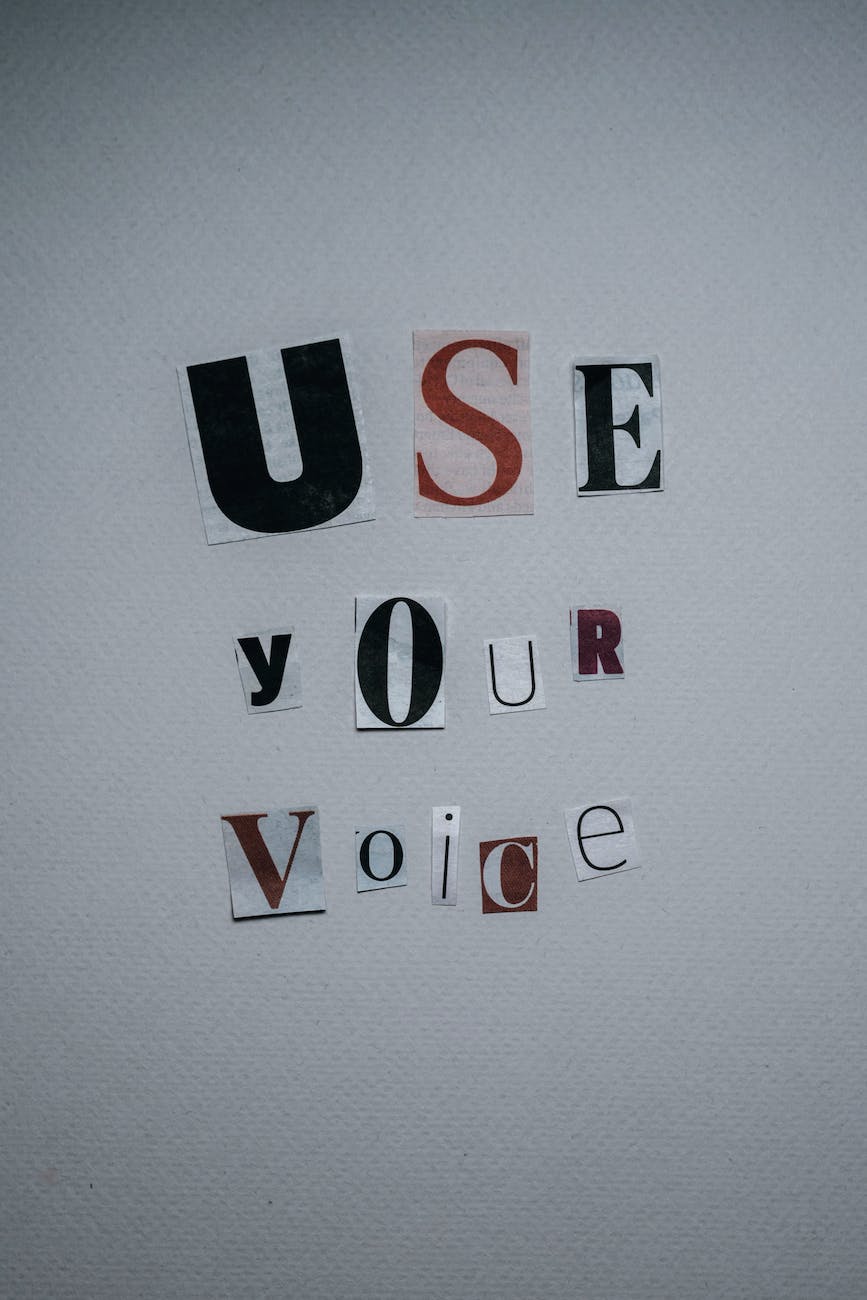
From my tiny corner of the world, from my minute circle of influence, from my blurred understanding of the situation, I am using the voice I have been given to speak out for the needs of our most vulnerable children.
“We must speak with all the humility that is appropriate to our limited vision, but we must speak… We are called to speak for the weak, for the voiceless, for the victims of our nation…”
Martin Luther King Jr speech, ‘A Time to Break Silence: Declaration against the War in Vietnam’
These children are the Timothy Winters of today and I am deeply concerned for them.
‘The Welfare Worker lies awake
‘Timothy Winters’ by Charles Causley
But the law’s as tricky as a ten-foot snake,
So Timothy Winters drinks his cup
And slowly goes on growing up.’
A recent tweet drew my attention to an article from the Yorkshire Bylines article, ‘School, stress and poverty: a psychobiological reflection’ (2022), written by Dr Pam Jarvis:
Dr Jarvis pinpoints the stark, underlying factors in the lives of children caught up in (but too often slipping through) the net of current catch-up agendas.
“Children raised in poverty … are faced daily with overwhelming challenges that affluent children never have to confront, and their brains have adapted to suboptimal conditions in ways that undermine good school performance” (Jensen, 2009)
‘Children who live in households where insolvable problems constantly arise have to use cognitive resources to process these. Consequently, they have less ‘mind space’ (or bandwidth) to give to other things, including learning…
‘Cortisol disturbances in young children can lead to suppressed growth, anxiety, depression and less memory capacity available for intellectual development because their resources are diverted elsewhere to cope with what the brain processes as a series of immediate threats that arise in the home environment…
‘No amount of extra input can compensate for a brain that is too loaded with stress to learn. In fact, it may create precisely the opposite effect by increasing the stress that is affecting the child’s daily life.’
Dr Pam Jarvis, ‘School, stress and poverty: a psychobiological reflection’ Yorkshire Bylines, 01/22
When I was teaching, did I do enough to ensure my ‘extra input’ wasn’t ‘increasing the stress’ experienced by young children? Did my rafts of well-meaning learning interventions create extra obstacles to the flow of progress for them?
Last year, I taught full-time in a reception class of 30. In regular Pupil Progress meetings, school leaders and I discussed the needs of children who were not ‘on track’ to meet Age Related Expectations by the end of the academic year. Consequently, I programmed targeted interventions to ‘meet the needs’ of these individuals.
But did they?
 Read with Julia
One thought on “‘It is what it is.’ (Part 2/6)”