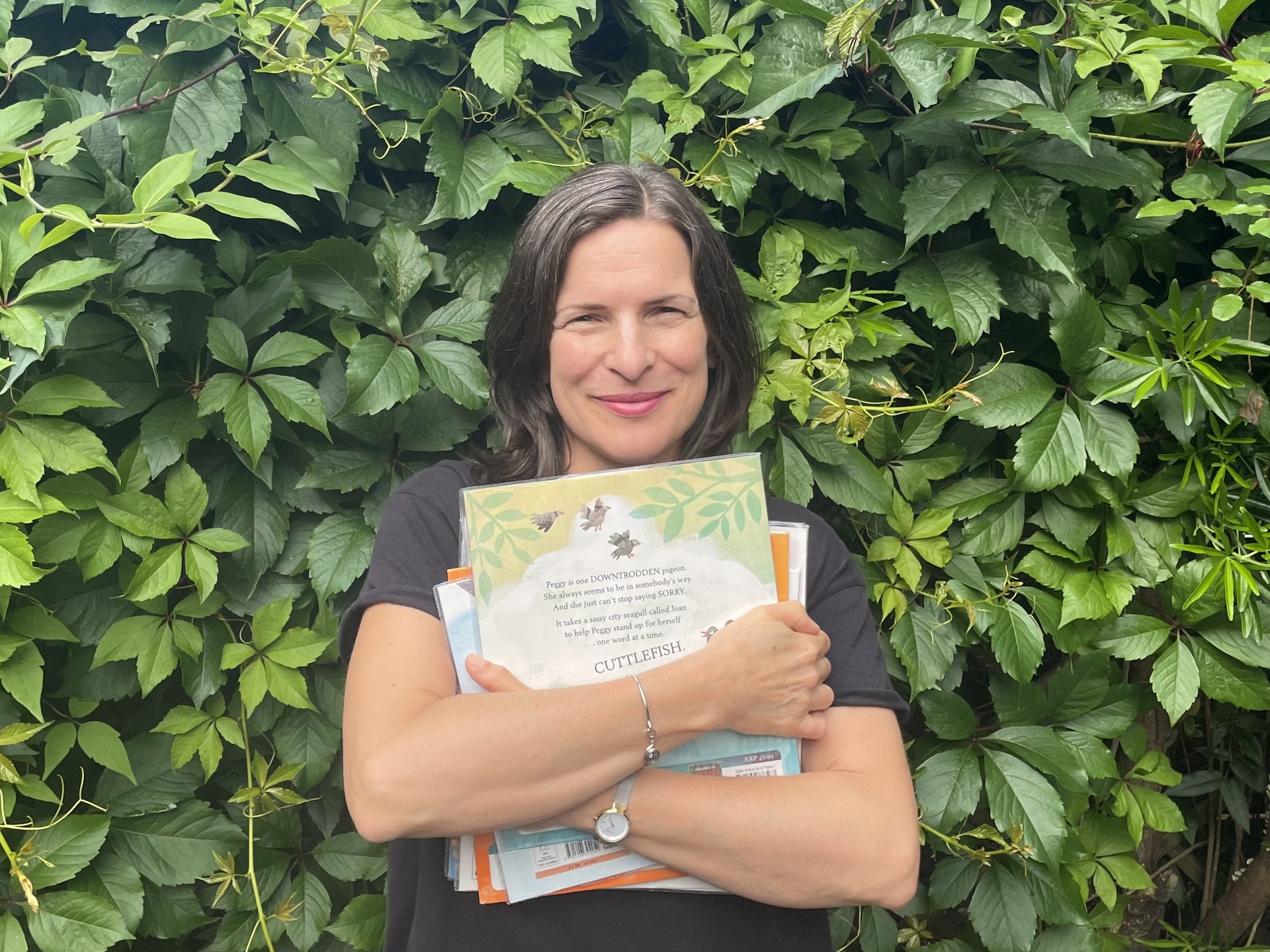
I enjoy reading biographies best of all.
I recently read Volume 1 of Iain Murray’s biography of Dr D. Martyn Lloyd-Jones. Murray describes ‘the Doctor’ as a prolific reader and records Lloyd-Jones speaking about the motivation behind his reading:
‘”I have always believed,” he once said, “that the business of reading is to make one think, to stimulate…”‘
I couldn’t agree more.
The 1988 Education Reform Act was passed in July, the month before my 18th birthday. In September 1988 (a year before the National Curriculum was introduced in state primary schools), I began my four year B. Ed honours degree in primary education at Marjon in Plymouth.
In my studies as a trainee teacher, I was inspired and excited by the prospect of this ‘balanced and broadly based curriculum‘ and all the talk of its potential to develop “lively inquiring minds” (a phrase that continues to stir my imagination and fire my passion to teach children and young people over thirty years later).
When I teach, I am actively digging for that treasure of a lively inquiring mind, eager to encourage children and young people to think for themselves. I take every opportunity I can to extract, refine, polish and increase their capacity to think (and I’m convinced that picturebooks are excellent tools in the whole process). I regularly lead Shared Reading with groups and individuals. Hearing somebody (young or old) engaging a lively inquiring mind with the text in front of them is like striking gold.
My search for ‘lively inquiring minds‘ led me to the address given by Labour Prime Minister James Callaghan to an audience at Ruskin College, Oxford on 18th October 1976 (when I was six years old). His speech, in which he voiced his commitment to comprehensive education, is seen by many as a catalyst to ‘The Great Debate’ and the advent of the National Curriculum for England and Wales:
Almost five decades later, Callaghan’s aims for education resonate with me:
‘The goals of our education, from nursery school through to adult education, are clear enough. They are to equip children to the best of their ability for a lively, constructive, place in society, and also to fit them to do a job of work. Not one or the other but both…
‘There is now widespread recognition of the need to cater for a child’s personality to let it flower in its fullest possible way…
‘This means requiring certain basic knowledge, and skills and reasoning ability. It means developing lively inquiring minds and an appetite for further knowledge that will last a lifetime. It means mitigating as far as possible the disadvantages that may be suffered through poor home conditions or physical or mental handicap.’
Prime Minister James Callaghan, Ruskin College, Oxford, 18th October 1976
After he had established the fundamentals needed for progress in education, Callaghan challenged his listeners:
‘Are we aiming in the right direction in these matters?‘
Prime Minister James Callaghan, Ruskin College, Oxford, 18th October 1976
Isn’t that question every bit as pressing in 2025 as it was in 1976?
Any followers of my blog know I’ve been grappling with the essence of this question for years. I am actively searching for answers to the shortcomings of an education system that is failing the most vulnerable and escalating the concerns, fears and anxieties of too many. I am desperate for a clear strategic direction, where I can put my passion, skills and experience to good use.
Although I’m weary of feedback that tells me my ideas are “financially unviable” and “unmarketable”, I am determined to pursue a future where lively inquiring minds are developed, where young and old bond through books, where relationships are strengthened through Shared Reading, where obstacles to literacy are removed, and where reading becomes irresistible.
I’m not great with compliments, but I received one last year which I will never forget. It was my last session with children and families in my role as Community Connector. A ten year old boy, who came regularly with his mum, had just been told I was leaving. His words were spontaneous and I don’t think he intended to flatter me when he said,
“I don’t want you to go. You think outside the box.”
His observation led me to reflect more deeply on the contributions I had made to his community, whom I had come to love and care so much about.
We are living in a confusing cacophony of competing voices, and it’s hard not to get distracted by those shouting the loudest. Hidden among the crowd are creative, independent thinkers, who are quietly shining their light.
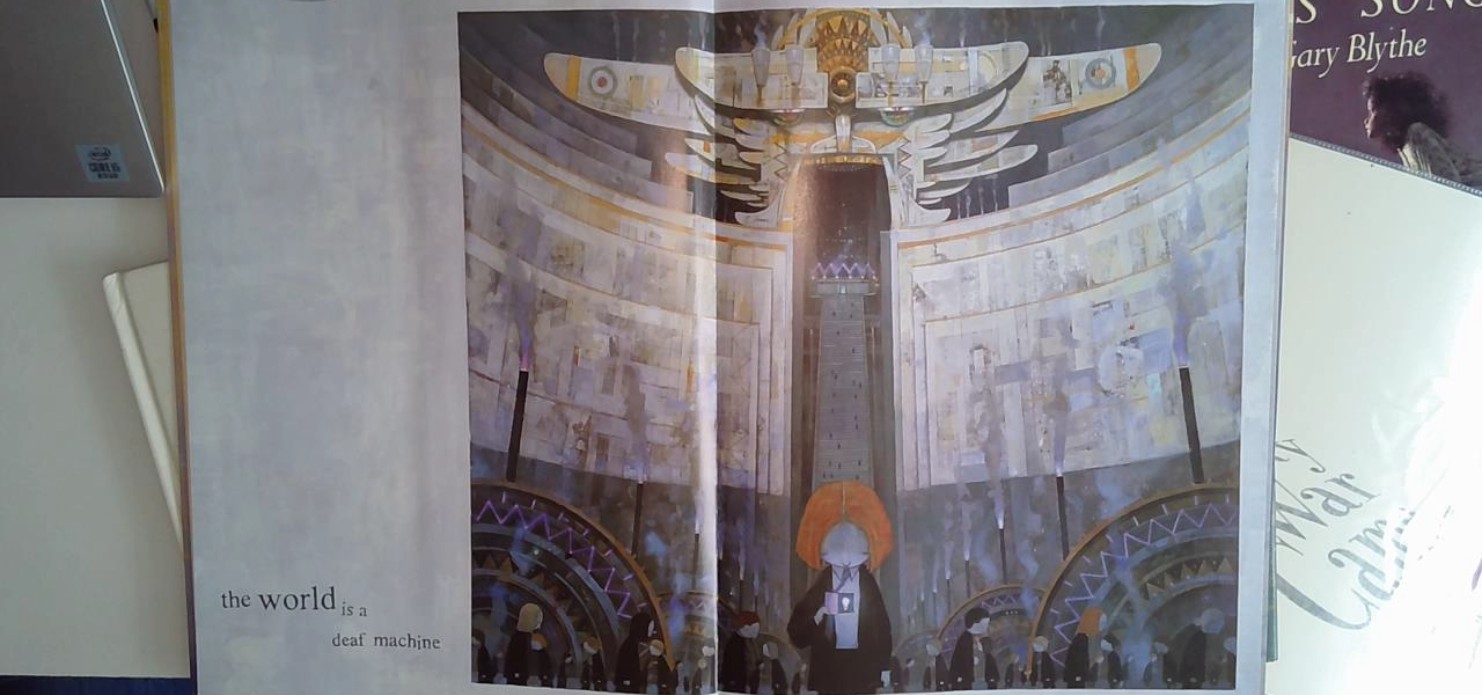
We need to bring them together and encourage their out-of-the-box thinking, so their lively inquiring minds can join forces to map out a better way. The children and young people of today need their light to signpost an education that is fit for purpose.
 Read with Julia
One thought on “The Treasure of a Lively Inquiring Mind”