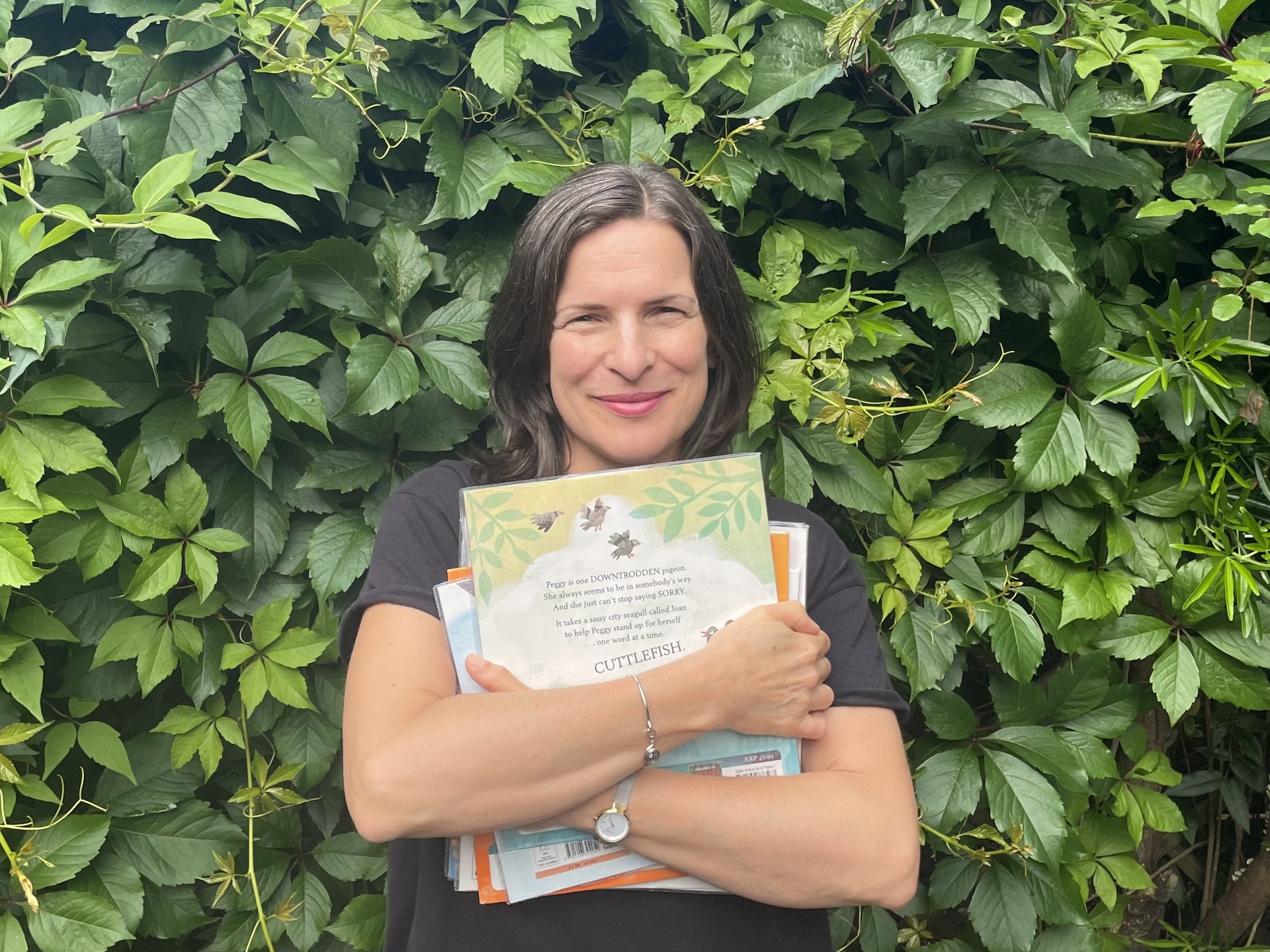

Probably the most constructive classroom observation I ever received came from the lips of an 8 year old.
If my memory serves me correctly, her name was Hannah and she would have been 8 when she joined my Year 4 class in September 1992. I must have been roughly halfway through my first year as a Newly Qualified Teacher at Bradwell Village Middle School, Milton Keynes when she shared her spot-on observation,
“Miss, you don’t smile anymore.”
She was right. The honeymoon period of having my own class was fading fast and the responsibility of my new role was weighing heavily on my shoulders. Hannah alerted me to the ripple effect my disillusionment was having on the children in my care.
Her lesson observation has informed my practice ever since. About 20 years later, my husband’s PhD supervisor, Stephen Bigger, shared another student’s observation with me,
“When the teacher smiles, the whole class relaxes.”
We need to find our smile.
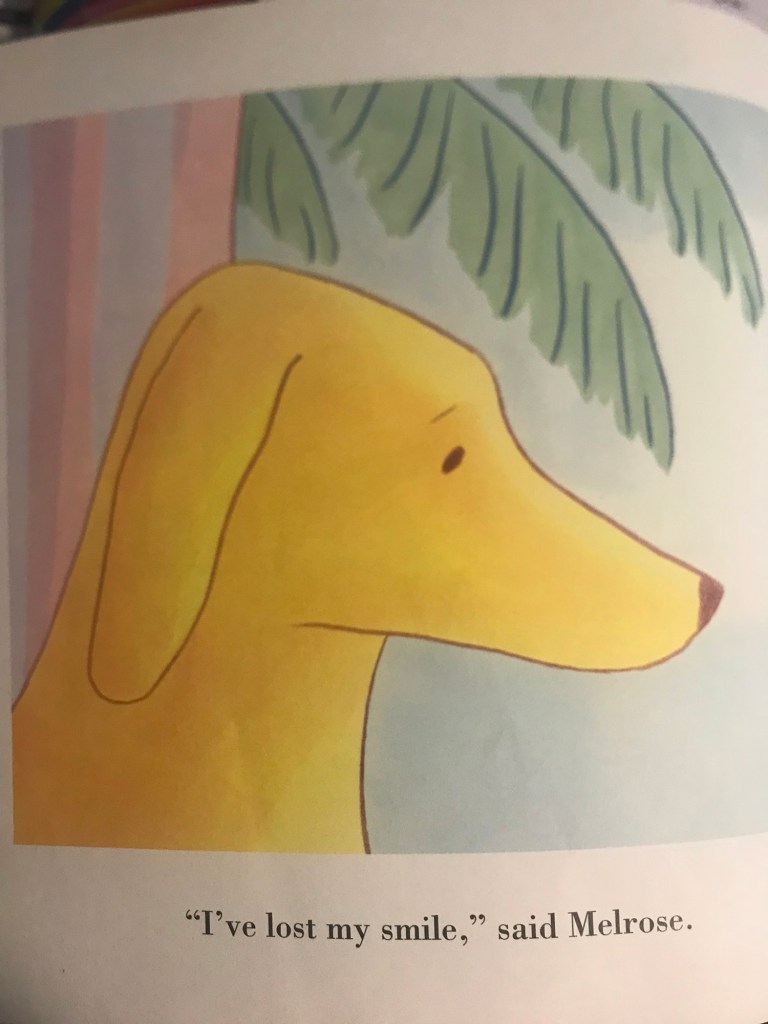
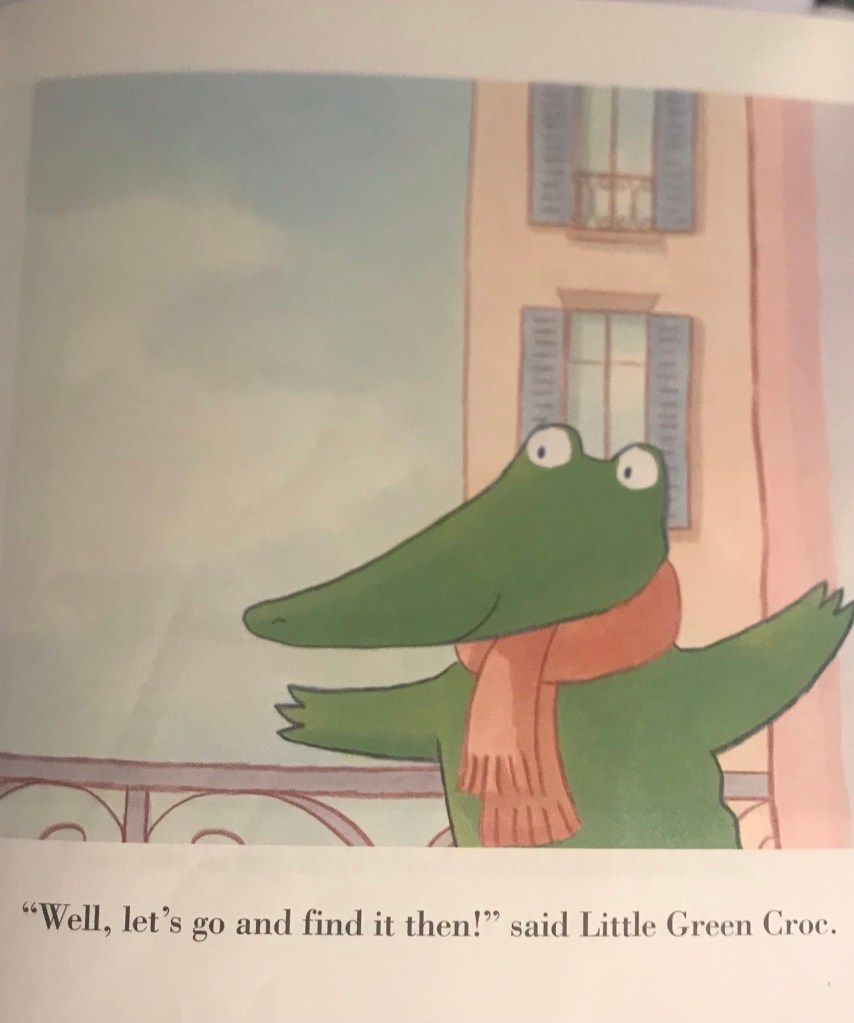
‘Melrose and Croc Find a Smile’ by Emma Chichester Clark
Shared Reading for Wellbeing
At the beginning of this new school year, a post from BookTrust stirred my thinking. In the reel, Professor Sarah McGeown outlined research findings to show shared reading promoting children’s wellbeing in 3 ways:
- positive emotions
- connection
- personal growth
Thinking about 8 year old Hannah, I wonder what contribution shared reading through relationships made to her emotional intelligence and powers of perception…
I wonder how our Year 4 shared reading times played a part in benefitting our collective wellbeing (I still have fond memories of the class gathering together on the carpet for story time at the end of each day and I’m sure they helped me to find my smile)…
I wonder if 41 year old Hannah is enjoying connecting with others through shared reading, wherever she finds herself now…
I don’t need research findings to convince me that shared reading is a powerful tool for wellbeing. Its benefits aren’t limited to children (come to our Friday shared reading group at Ledbury Library if you don’t believe me!).

Shared reading has the potential to enrich the lives of every age group.
In his role as Children Laureate, Frank Cottrell-Boyce continues to advocate for reading as the ‘Apparatus of Happiness’. Too often, in my paid and voluntary work, I find this apparatus broken and in desperate need of repair.

In my personal research, do you know what I’m finding is the most effective road to repair and rebuild that ‘Apparatus of Happiness’? The road of relationship. Every time.
Reading needs relationship.
Last Friday at Ledbury Library, we read part one of Aidan Chambers’ novel ‘Dance on My Grave: A Life and a Death in Four Parts’ together. In the extract, Aidan Chambers describes his memory of the day when, as a 14 year old, he ‘caught the [reading] bug’ from a teacher, Mr James O Peters (Joppy), Head of English,
‘If there is one day, one hour, when my life changed from what it had been to what it has become, one day, one hour when I found myself as I had never known myself before, that was the day and the lesson with Joppy was the hour.’
‘Dance on My Grave: A Life and a Death in Four Parts’ by Aidan Chambers
How many of us became readers on the laps of our parents?
And for those of us who didn’t, which relationships played their part in setting us off on our literacy journey?
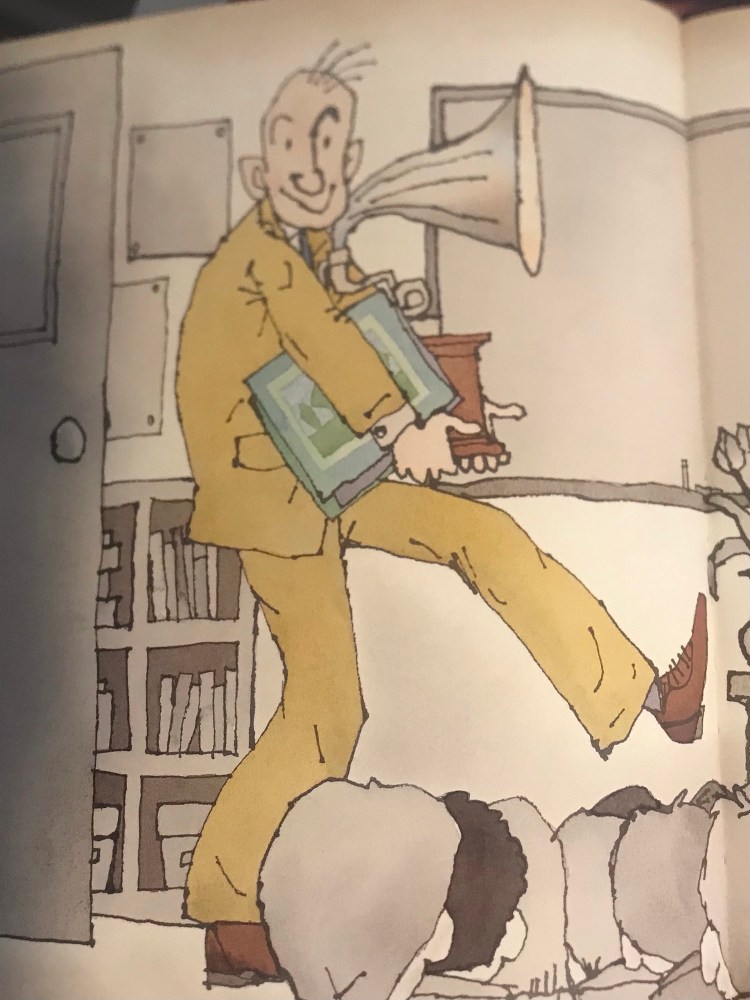
‘Once Upon An Ordinary School Day’ by Colin McNaughton and Satoshi Kitamura
 Read with Julia