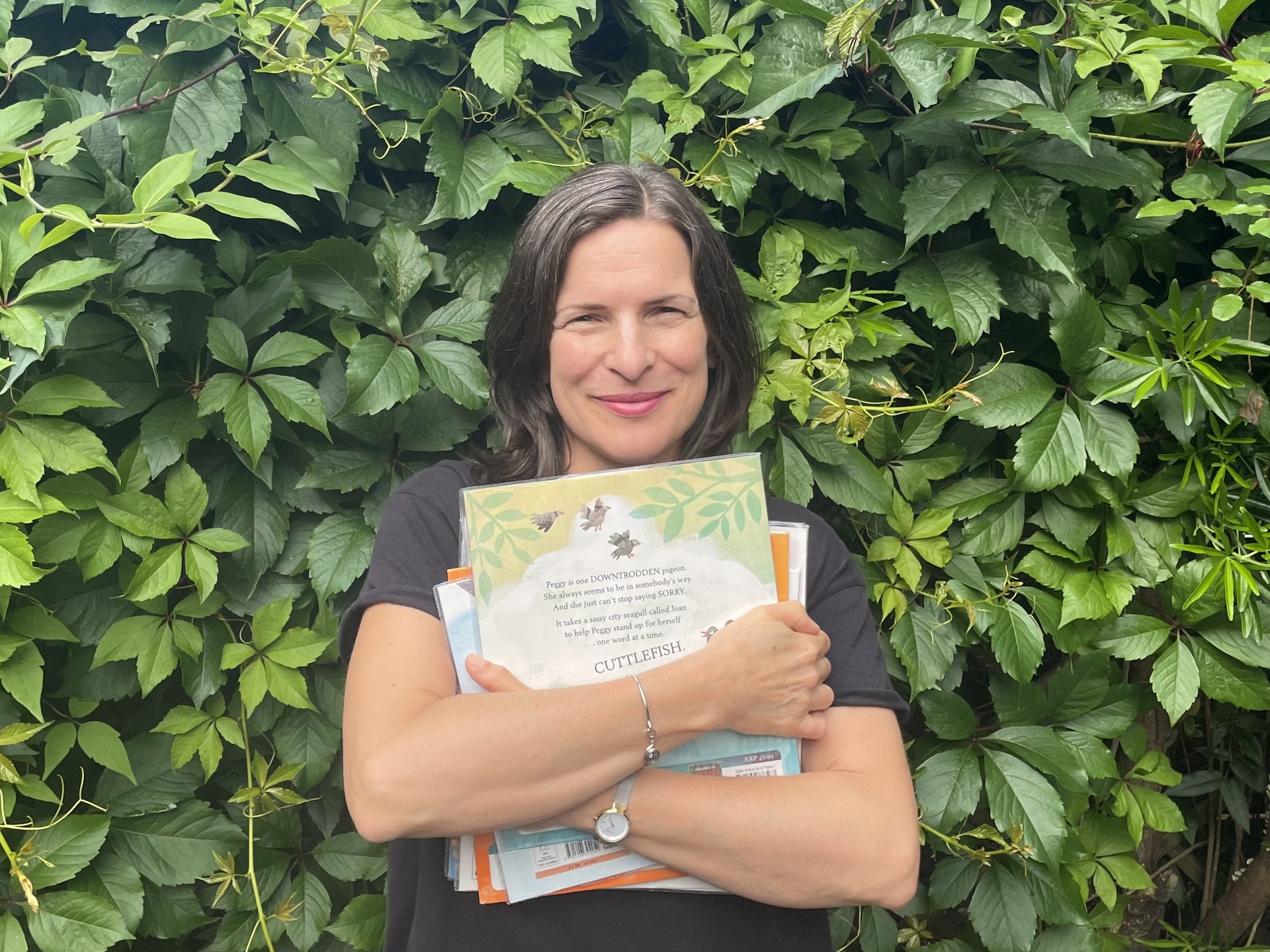

I love the idea of slow pedagogy but I haven’t yet found a way to live it out as a full-time teacher in a reception class of 30.
Notes from my journal
Saturday 14th May 2022
3 weeks into the new term and I am exhausted. I usually arrive at school before 7:45am every day. Over the past 3 weeks (with one exception), I’ve stayed until the school has been locked up, after 5:30pm. I snatch a bite to eat at lunchtime. I have no morning or afternoon breaks.
The pace of the day feels relentless.
8:40 – 9:00am
The 30 children are collected from the gate at 8:40am. When they come in, they hang up their bags and coats, wash their hands, put their books and drink bottles in their places and self-register by putting their names in tens-frames.
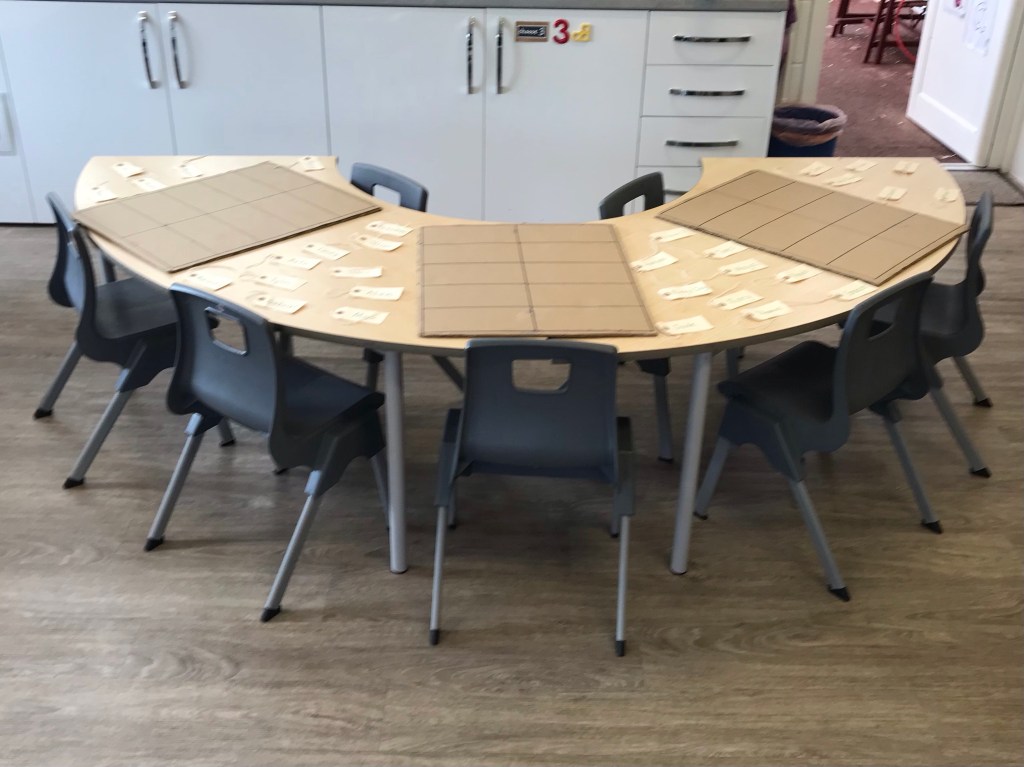
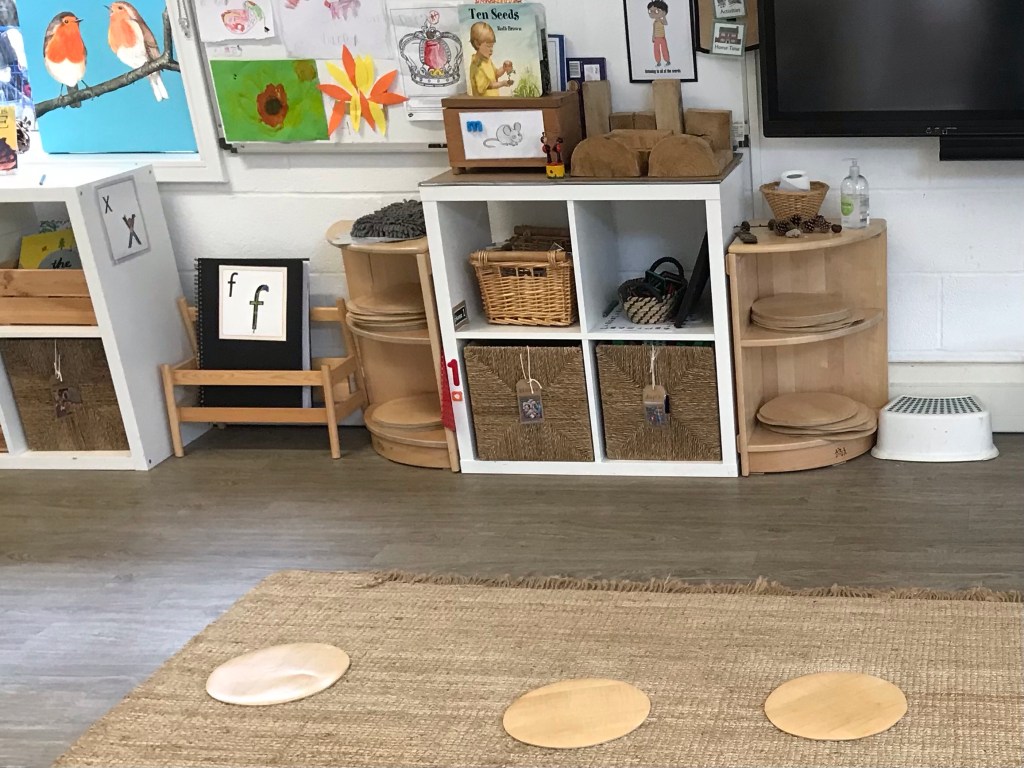
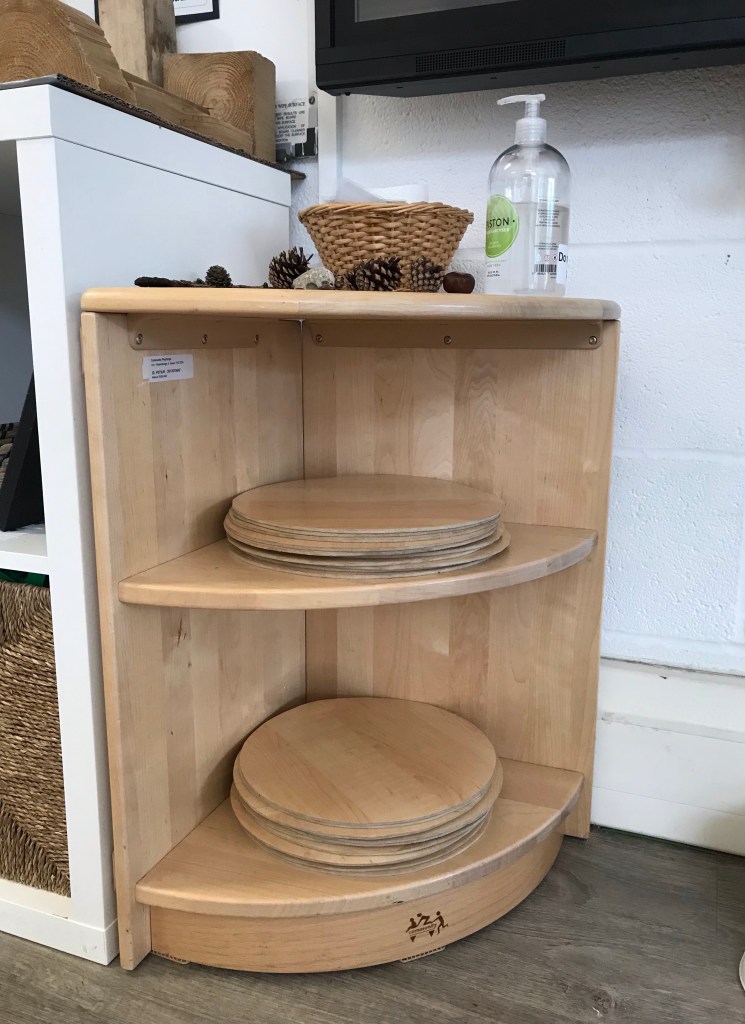
As they settle in their carpet spots, we play some quick subitising games, before starting the day with a counting song. Then it’s time for the morning register.
The first intervention happens during the counting song and register, when my Learning Support Provider (LSP) reads with a child.
9:00 – 9:15am
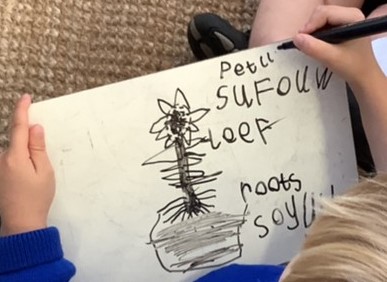
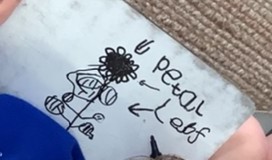
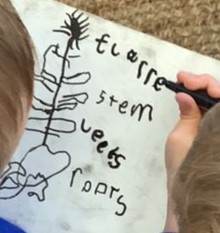
At 9am, we move onto the literacy starter: 10 minutes of whole class teaching. This week’s theme has been cross-curricular, designed to meet literacy and science objectives. We have listed the parts of a flower, learned a song about the parts of a plant (‘Roots, stem, leaves, flower, sun and air and a little rain shower…’), listed what plants need to grow, watched time lapse videos of various plants growing and the children have labelled their own diagrams of plants.
9:15 – 10:15am
When the starter is over, we move into free-flow, where the children are free to go and explore the outdoor classroom activities or stay and ‘choose it and use it’ in the indoor continuous provision.
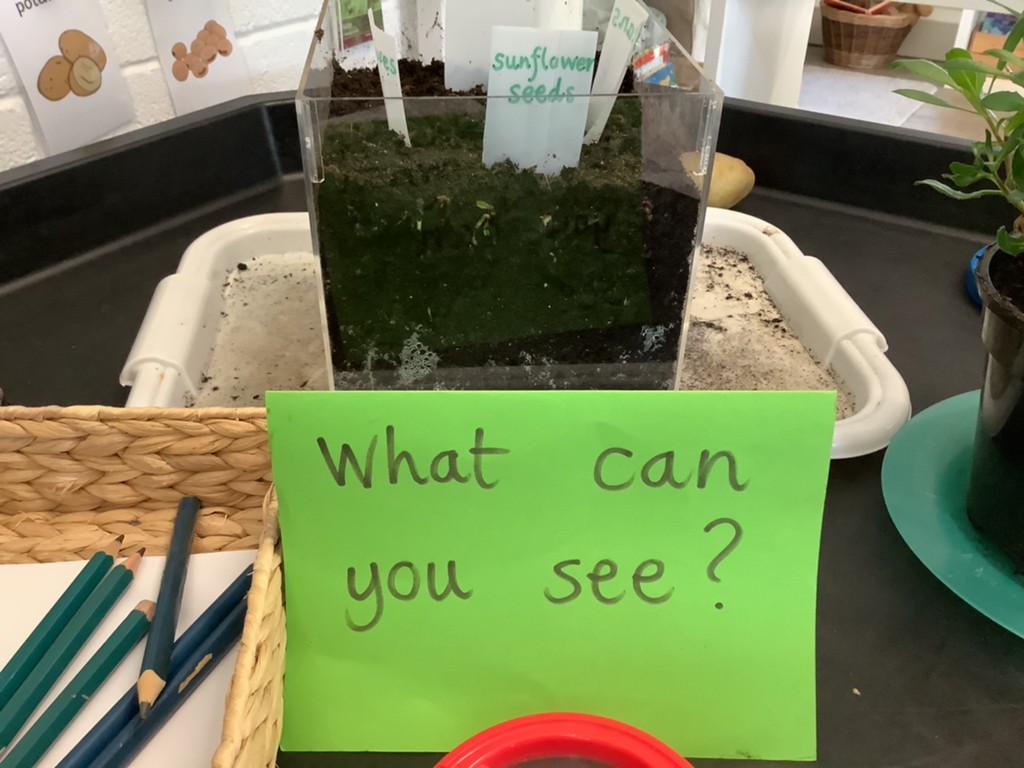
This week’s indoor enhancements included potatoes in the home corner (which were merrily chopped, cooked and served). Magnifying glasses, paper, pencils and our newly planted beans and seeds were added to the tuff spot for the children to examine and mark their observations.
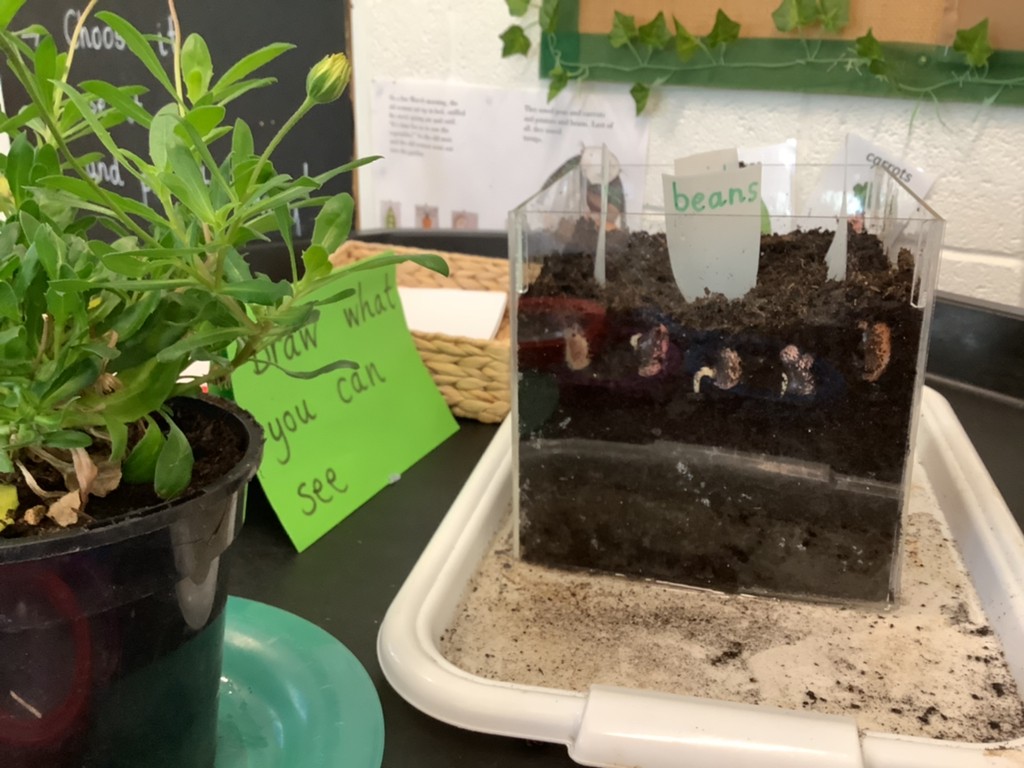
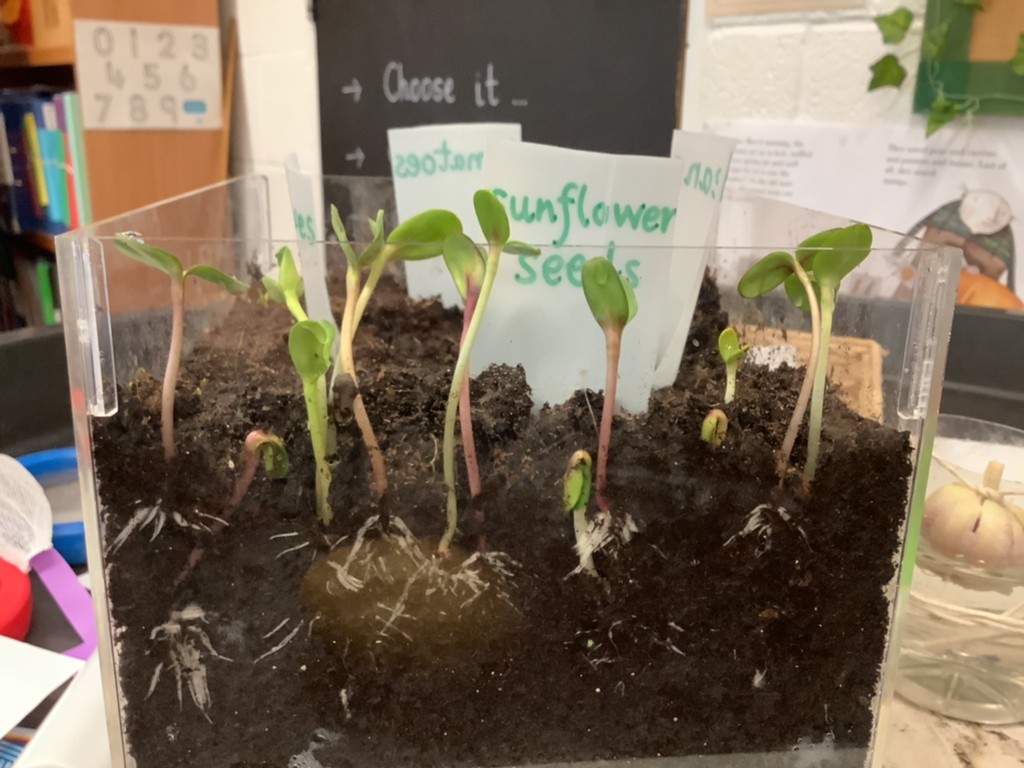
At the start of the free-flow, I stay in the indoor classroom and my LSP moves into the outdoor classroom, where she engages with the children’s play. I have a focused literacy group, where I work with a mixed-ability group of 7-8 children. I tend to split the group and teach in 2 sittings.
This week’s literacy learning intention was: to write labels. The children were given a picture of a flowering plant with arrows pointing to its various parts. Their task was to write the name for each part. Most children heard and recorded 3 sounds in each word. My least confident writers practised hearing and recording initial sounds in the words. My more confident writers were able to label the parts independently; the only scaffolding they needed to be given were the digraphs: ‘ea’ for leaf, ‘ow’ and ‘er’ for flower. They went on to write about a planting activity they had enjoyed last week.
10:15 – 10:55am
My indoor session finishes at 10:15am when I swap with my LSP. Before then, I try to read with as many children as possible. When I worked as an Every Child A Reader teacher, I had a full 30 minutes with each child every day. As a class teacher, my reading times can feel rushed and there are frequent interruptions – but I still value the time I spend reading with individual children. Some mornings, I only manage to read with one or two children, especially if the literacy activity takes longer than expected.
During her time in the outdoor classroom, my LSP interacts with the children and builds on learning opportunities through their conversations. 10 of the class speak English as an Additional Language.
My LSP is a trained primary school teacher and a highly skilled practitioner with decades of experience in the early years. We share a commitment to do all we can to develop the children’s speaking and listening skills. We’re both strong believers in the potential for every interaction to be an intervention .
When my LSP returns to the indoor classroom, she begins the morning’s writing intervention. Last term, I started to timetable the week’s interventions. I felt very uncomfortable doing so, but my colleague voiced appreciation for the structure of the timetable and told me she prefers this way of working. This term, the writing interventions are focused on developing the children’s writing from their own thoughts and ideas.
During my time in the outdoor classroom (from 10:15am – 10:55am), my aim is to ‘get in the play’ with the children and to encourage their development through sustained shared thinking. The reality is that I often take the reading books out with me and, when possible, fit in a few more readers. I spend a significant amount of my time in the blue gazebo (our stage and performance space), scribing the children’s stories and facilitating their performances.
I know what I’m doing is worthwhile, but my conscience is often divided. My phase leader has encouraged me to continue with the ‘blue gazebo stories’, but these times are interrupted by my own niggling doubts that I’m not being as hands on as my colleagues in other messier areas of the outdoor classroom, and how many readers still need my attention. Our outdoor classroom is a large, well-equipped area shared by 2 reception classes and the nursery setting.
10:55 – 11:15am
At 10:55am, the reception children who have chosen to access the outdoor classroom return to their classrooms for snack time. After washing hands, the class are offered a piece of fruit and a drink. We have another teaching focus during this time. This week, we used snack time to reinforce our science objectives. We practised the song that teaches the names of the parts of plants, we watched time-lapse videos of garlic bulbs sprouting in water, we shared photos on Tapestry of plants and flowers growing in the children’s homes and gardens. My LSP has a 15 minute break during snack time.
11:15 – 11:45am
At 11:15am, both reception classes divide into 5 groups for our Read Write Inc (RWI) phonics sessions. I have been told to stick with the RWI script. I have taught the beginner group since September. While their peers have moved onto new letters and sounds, words, and books, my group have had the same letters and sounds and the same worksheets for 9 months.
The children in my group need all the help I can give them. I pour all my energy into making these minutes count. I stay true to the RWI methodology, but I can’t help wondering if the lesson plans were written with these individuals in mind. I tailor my teaching to the children in front of me. I know them well after sharing time and space with them for so many months and I am responsive to their needs. Sticking religiously to the script risks strangling the life out of these sessions, so I ring the changes and inject fun and enthusiasm at every opportunity. The children are making progress.
11:45 – 12 midday
By the time the children have returned to their classrooms, it is 11:45am. I share a story with my class before they get ready for lunch.
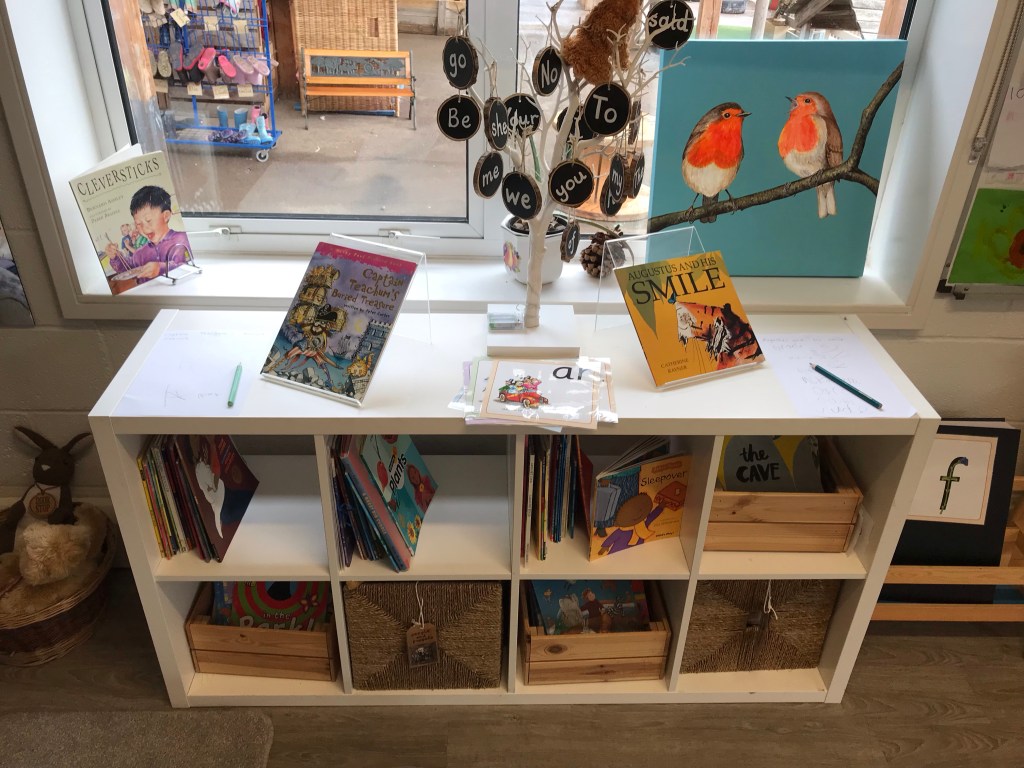
Each day, 2 story books are displayed on stands in the reading corner. A piece of A4 paper and a pencil are left next to each book and, from the moment the children come into the classroom, they write their name on the appropriate sheet to vote for the story they would like. Whichever story gets the most votes, we read together at 11:45am.
12 – 1pm
I rarely have a drink or take a ‘comfort break’ until after the children leave for the dinner hall. While the children have their lunch break, I try to catch up with the latest emails, prepare the afternoon’s resources, grab a bite to eat, squeeze in a couple more readers, administer first aid…
Before I know it, the children are returning to the classroom.
1:00 – 1:15pm
When the tambourine that signals the end of break has stopped, I set the online stopwatch on the interactive whiteboard and encourage the children to come in and settle before we reach 3 minutes. I take the afternoon register. I’m regularly greeted with a “Good morning, Mrs Warren!”. I smile and continue, “Good afternoon …”.
After register, it’s time for the whole class maths starter. My LSP supports through interventions during this time. This week, we’ve been learning about the number 8. We used different objects (including shapes and unifix cubes) to explore different ways to make 8, we’ve met Octoblocks (the BBC Numberblocks character); we played a game throwing 8 beanbags into a hoop to see how many land in the hoop and how many outside; and we played ‘hide and seek the dinosaurs’ with 8 dinosaurs (the children had to use their number bonds to 8 to work out how many were left hiding under the blanket).

1:15 – 2:30pm
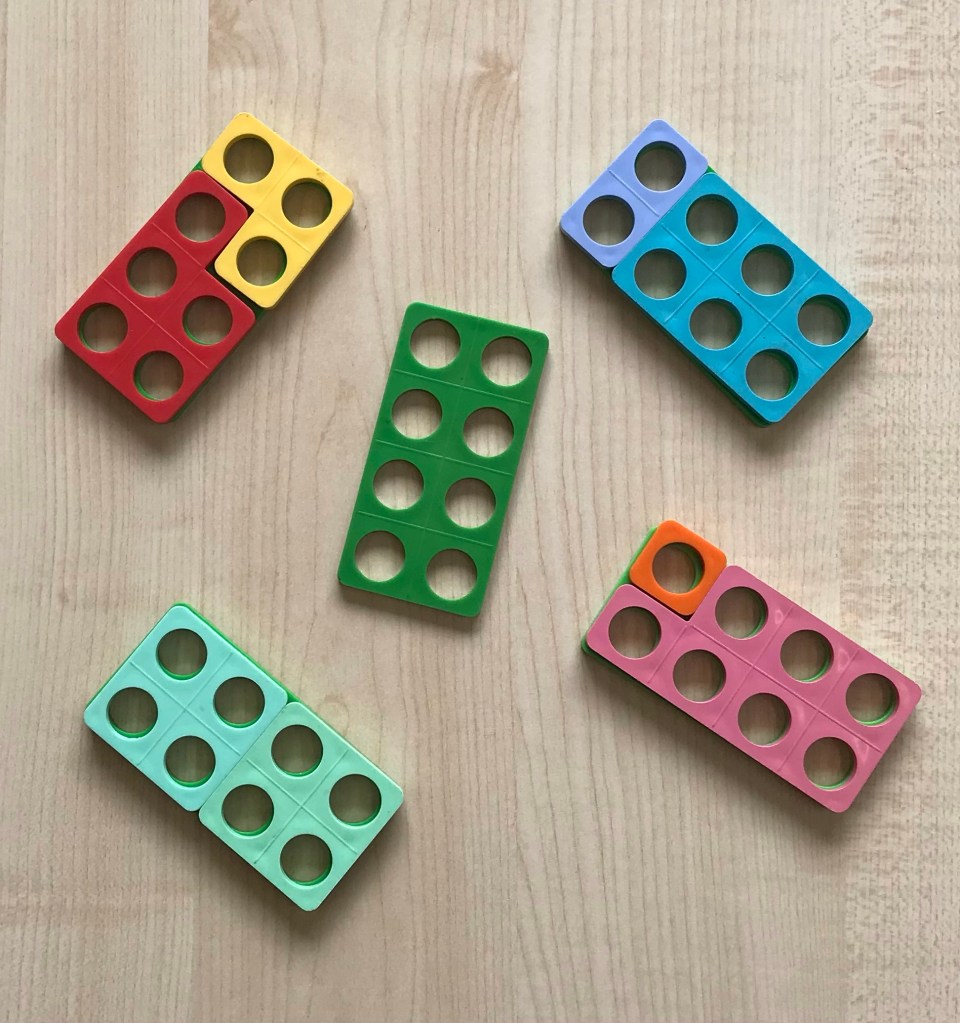
At 1:15pm, it’s time for free-flow again. My LSP goes outdoors and I stay indoors with the maths focus group (and any other children who have chosen to access the continuous provision indoors). In both the morning and afternoon focused activities, I work with mixed ability groups of 7-8 children. In this week’s maths focus, we used Numicon to show the different ways of partitioning 8. The children each had a green 8 onto which they arranged 2 pieces to make 8. We talked about the different arrangements and recorded our results with coloured pencils. The children are working hard to master written numerals:
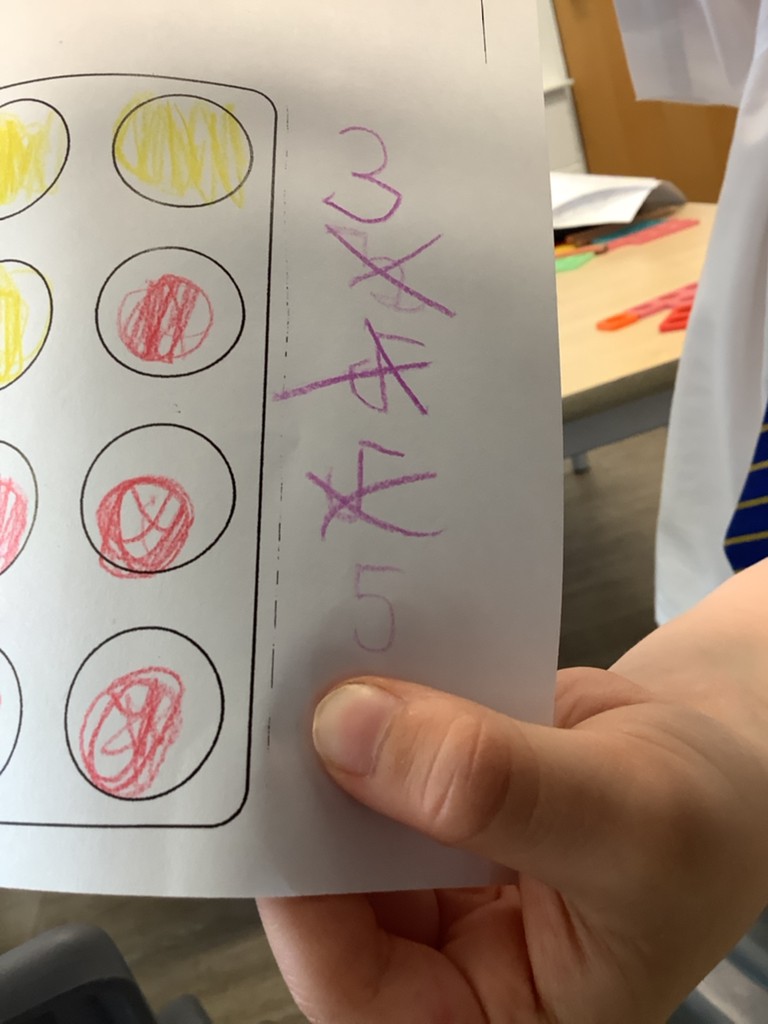
Can I take a photo?”
While the maths focused activity takes place indoors, my LSP is working on interventions in the outdoor classroom, which include supporting children who aren’t yet secure in subitising to 5.
When I have finished the maths focus, I return to my list of readers. I aim for my times reading with individual children to be quality interactions, but there are inevitable interruptions. Sometimes fall outs are quickly resolved, sometimes not. Sometimes an upset child bounces back with little support, sometimes not. Sometimes a toileting accident is minor, sometimes not… Those ‘Every Child A Reader’ half an hour sessions, reading daily with just one child in a quiet space feel like a distant dream.
2:30 – 3pm
After a thorough tidy up – indoors and out – we come together as a class for circle time, while my LSP works with a small intervention group (now with a focus on pencil control and letter formation). This week, we have used our circle time to explore the look and textures of different seeds and beans. We have explored the process of planting various seeds and we have also repotted plants, so we could examine their roots.
3 – 3:10pm
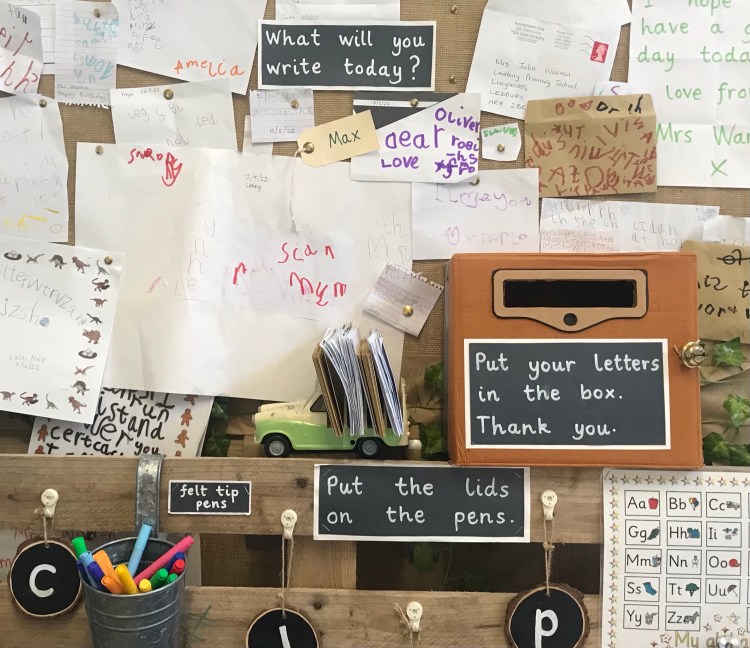
The last 10 minutes of the school day are spent delivering post from the postbox, reuniting the children with their belongings (not always successfully…) and preparing to pass any head bump notes on to parents.
Our days vary – with assemblies, PE lessons, visits, library sessions, meetings – but they invariably feel like a race to the finishing line of home time.
After hours
When the children have left the classroom and I have had the necessary conversations with parents, I crack on with my to-do list. I catch up with more emails, write up records of incidents, complete reports, prepare resources, add to displays, follow up concerns, replenish stocks of paper, write up feedback, formulate planning, add to assessments…
I’ve lost count of the number of times my husband has called a halt after 9pm telling me, “The children left school 6 hours ago.”
I love the idea of slow pedagogy. I just don’t know how.

I am one of many cogs, constantly turning to the demands and pressures of English state schools. I have come to the conclusion that I am perpetuating a broken system by staying in it. My contract finishes at the end of the summer term. I have not applied for any other teaching posts.
Since I was a young girl, the only job I ever wanted was to be a teacher.


 Read with Julia
Oh my Julia, this is a challenging and sad read for me. How any teacher reading this can doubt that they are a leader I do not know: Your dedication to the children and ability to manage multiple tasks on behalf of a diverse audience is beyond reproach. Your Creative Decision Making is incredible and your Awareness of Others profound. Perhaps the thing that is missing is the time for you to self care and rebalance so that you can find the energy and motivation to keep going. I’m sad for the profession but mainly for the children who won’t be lucky enough to have you as their teacher. Look upwards and outwards though Julia, you are valued and loved and will find another space for your gifts.
Thank you for your kind words of encouragement, Rachel. They mean a lot. ❤️